
Exploring the Expansive Zapier Integrations List
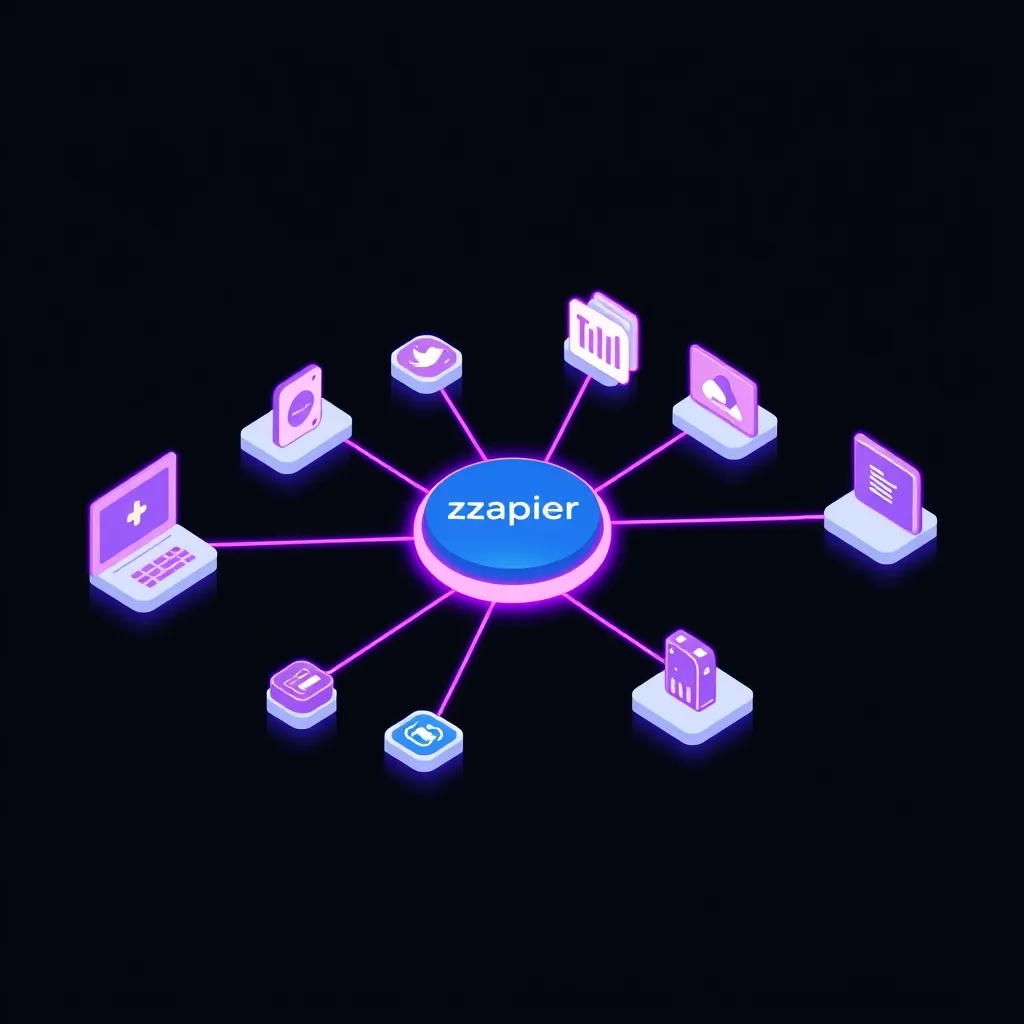
Imagine a world where your favorite applications talk to each other seamlessly, performing tasks automatically without you lifting a finger. What if sending an email from your CRM automatically created a task in your project management tool, or a new customer sign-up on your website instantly added them to your marketing email list? This isn’t science fiction; it’s the power of workflow automation, and at the heart of many such workflows lies the incredible Zapier integrations list. This comprehensive guide will dive deep into what makes Zapier such a game-changer, how to leverage its vast array of app connections, and why understanding its integration capabilities is crucial for modern businesses seeking to boost efficiency and streamline operations. Get ready to discover how to connect your digital life like never before and unlock a new level of productivity.
Key Takeaways
- Automate tasks with Zapier's vast app connections and workflow automation capabilities.
- Streamline operations by connecting favorite apps like Gmail, Slack, and Dropbox.
- Boost efficiency with custom Zaps that reduce manual data transfer and errors.
- Discover new automation possibilities with Zapier's extensive integrations list and user-friendly interface.
- Unlock productivity by leveraging Zapier's trigger-action model for complex workflows.
What is Zapier and Why Does it Matter?

At its core, Zapier is an online automation tool that connects your favorite apps, such as Gmail, Slack, Dropbox, and thousands more. It works by allowing you to create automated workflows called “Zaps.” A Zap is a recipe for automating a task between two or more apps. You can create a Zap to do something like this: When a new email with an attachment arrives in your Gmail inbox, automatically save the attachment to Dropbox. This ability to bridge the gap between disparate software applications is what makes Zapier an indispensable tool for businesses of all sizes. The sheer number of options within the Zapier integrations list means that almost any two apps you use can potentially be connected to automate repetitive tasks.
The Power of App Connections
The true magic of Zapier lies in its ability to facilitate complex app connections. Instead of manually moving data between different platforms or performing redundant actions, Zapier handles it for you. This frees up valuable time for employees to focus on more strategic, creative, and revenue-generating activities. For instance, imagine a sales team. A new lead coming in from a web form could trigger a Zap that adds the lead to a Salesforce or HubSpot record, sends a welcome email via Gmail or Outlook, and creates a task in Asana or Trello for follow-up. This multi-step automation dramatically reduces the chance of human error and ensures that no lead falls through the cracks. The extensive Zapier integrations list ensures that your existing toolset can be leveraged more effectively.
Understanding Workflow Automation
Workflow automation is the process of using technology to automate business processes that were previously done manually. This can include anything from data entry and customer support responses to marketing campaigns and financial reporting. Zapier is a leading platform in this space because it offers a user-friendly interface that requires no coding knowledge. This democratizes automation, making it accessible to individuals and small businesses that may not have dedicated IT departments or developers. By understanding the principles of workflow automation and how Zapier implements them, you can begin to identify key areas within your own operations ripe for efficiency gains. Exploring the Zapier integrations list is the first step in identifying these opportunities.
The Importance of a Zapier Integrations List
Having a comprehensive Zapier integrations list readily available is crucial for anyone looking to maximize the platform’s potential. This list serves as a roadmap, outlining the vast ecosystem of applications that can be connected. It allows users to quickly identify if their essential tools are supported and to discover new possibilities for automation. Without a clear understanding of what’s possible, businesses might overlook significant opportunities to streamline their operations. The Zapier integrations list empowers users to be proactive in their automation strategy rather than reactive. It’s the foundational document for planning and implementing effective business automation.
How Does Zapier Work?
Zapier operates on a simple yet powerful trigger-action model. A “trigger” is an event that starts a Zap, and an “action” is what the Zap does in response. For example, a trigger could be a new tweet mentioning your brand, and the action could be saving that tweet to a Google Sheet. To build a Zap, you typically select your trigger app and the specific event that will start the automation. Then, you select your action app and the task you want it to perform. Zapier handles the communication between the apps, transferring the necessary data from the trigger event to the action. The platform’s intuitive interface makes it easy to chain multiple actions together, creating complex workflows that mirror intricate business processes.
Triggers and Actions Explained
Understanding triggers and actions is fundamental to using Zapier effectively. A trigger can be almost any event within an application – a new file uploaded, an email sent, a form submitted, a sale completed, a new contact added. An action is the corresponding task performed in another app – saving a file, sending a notification, updating a database, creating a calendar event. For instance, a common trigger might be a new entry in a Google Sheet, and a corresponding action could be sending a Slack message to a specific channel. The effectiveness of your automation hinges on correctly identifying the right triggers and actions across your chosen Zapier apps.
Creating Your First Zap
Getting started with Zapier is remarkably straightforward. You begin by signing up for an account, which often includes a free trial or a limited free plan. Navigate to the Zapier dashboard and click “Create Zap.” You’ll then be prompted to choose your trigger app and event. After connecting your accounts (which usually involves a simple login authorization), you select the action app and the task you want to accomplish. Zapier provides sample data to help you map fields correctly – ensuring that, for example, the email address from your form submission goes into the correct email field in your email marketing app. Testing your Zap is a crucial final step before turning it on. Many users are surprised at how quickly they can set up their first automated workflow, especially when consulting the Zapier integrations list for compatible apps.
Multi-Step Zaps and Paths
Beyond simple trigger-action pairs, Zapier allows for multi-step Zaps. This means a single trigger can initiate a sequence of actions. For example, a new order in Shopify could trigger an email confirmation to the customer, update inventory in a spreadsheet, and notify the fulfillment team in Slack. Furthermore, Zapier’s “Paths” feature enables conditional logic. You can set up different actions based on specific criteria within the trigger data. For example, if an order total is over $500, send a priority notification; otherwise, send a standard one. This advanced functionality makes Zapier a powerful tool for sophisticated business automation. The breadth of support in the Zapier integrations list enables these complex scenarios.
What Can You Automate with Zapier?

The possibilities for automation with Zapier are virtually endless, limited only by the apps you use and your imagination. Almost any repetitive, manual task that involves moving data between applications or triggering actions based on events can be automated. This applies across various business functions, including marketing, sales, customer support, operations, HR, and finance. By leveraging Zapier, businesses can significantly reduce manual data entry, improve response times, ensure consistency, and enhance overall operational efficiency. Consider the vast scope when reviewing the Zapier integrations list to identify potential workflows.
Marketing Automation Examples
Marketing teams can use Zapier to automate lead capture and nurturing. When a new lead is submitted through a website form (e.g., Typeform, Jotform), Zapier can automatically add them to your email marketing platform (e.g., Mailchimp, ConvertKit), create a contact in your CRM (e.g., Salesforce, HubSpot), and send a notification to the sales team via Slack. Other marketing automations include posting blog updates to social media platforms simultaneously, collecting user-generated content from social media, and sending follow-up emails based on website activity. The Zapier integrations list provides numerous options for connecting your marketing stack.
Sales Process Streamlining
Sales departments benefit immensely from Zapier’s ability to automate routine tasks. Imagine a new deal closing in your CRM. A Zap can automatically generate an invoice in QuickBooks or Xero, update the deal status, send a thank-you email to the client, and add the client to a post-sale follow-up sequence. This ensures timely invoicing and client communication, crucial for maintaining customer satisfaction and cash flow. It also frees up sales reps to focus on selling rather than administrative work. Exploring the Zapier integrations list can reveal many ways to optimize your sales funnel.
Customer Support Enhancements
Customer support can be significantly enhanced through automation. When a new support ticket is created in a helpdesk system (e.g., Zendesk, Freshdesk), Zapier can automatically create a corresponding task in a project management tool for follow-up or add the customer’s details to a support knowledge base. If a customer mentions your brand on Twitter, a Zap can create a ticket in your helpdesk system, allowing for rapid response. This ensures faster resolution times and a more consistent customer experience. The extensive Zapier integrations list includes all major helpdesk and CRM platforms.
Why Should Businesses Use Zapier?
The adoption of workflow automation tools like Zapier is no longer a luxury but a necessity for businesses aiming to stay competitive. It offers a tangible return on investment by saving time, reducing errors, and improving overall productivity. By automating mundane tasks, companies can empower their employees to focus on higher-value activities, leading to increased job satisfaction and innovation. Furthermore, Zapier provides a scalable solution that grows with your business. As your needs evolve, you can create more complex Zaps and integrate more applications, ensuring your automation strategy remains relevant.
Boosting Productivity and Efficiency
The most immediate benefit of using Zapier is a significant boost in productivity and efficiency. Automating repetitive tasks eliminates the need for manual intervention, saving countless hours each week. This reclaimed time can be reinvested into strategic initiatives, product development, or customer engagement. Imagine the cumulative effect across an entire organization – minutes saved per task can translate into days or weeks of productive work over time. The key is identifying which tasks are the best candidates for automation by reviewing your current processes and the capabilities within the Zapier integrations list.
Reducing Cost and Errors
Manual processes are prone to human error. Data entry mistakes, missed follow-ups, and incorrect information transfer can lead to costly reprocessing, lost sales, and damaged customer relationships. Zapier automates these processes with high accuracy, significantly reducing the incidence of errors and the associated costs. By ensuring data consistency across platforms, it also improves the reliability of your business intelligence and reporting. This makes it a cost-effective solution for businesses looking to optimize their operations without necessarily hiring more staff.
Empowering Employees
Empowering employees by removing tedious, repetitive tasks can lead to higher job satisfaction and morale. When staff are freed from mundane work, they have more bandwidth for creative problem-solving, strategic thinking, and professional development. This not only benefits the individual but also contributes to a more innovative and agile organization. Zapier’s no-code approach further empowers non-technical staff to build their own automations, fostering a culture of efficiency and continuous improvement. Understanding the full Zapier integrations list can help employees identify opportunities relevant to their specific roles.
Are There Zapier Alternatives?
While Zapier is a dominant player, it’s not the only option in the integration platform space. Several Zapier alternatives offer similar or specialized functionalities. Make.com (formerly Integromat) is a powerful visual automation platform that excels at complex, multi-step workflows and offers a different approach to building automations. Microsoft Power Automate is another strong contender, particularly for organizations heavily invested in the Microsoft ecosystem. Other options include IFTTT (for simpler, consumer-focused automations), Workato (enterprise-grade automation), and n8n (an open-source, self-hostable alternative). Each has its strengths, pricing models, and supported app connections. When considering alternatives, it’s important to compare their respective Zapier integrations list and feature sets against your specific needs.
Comparing Zapier Alternatives
When comparing Zapier alternatives, consider factors like ease of use, the number and type of app connections supported, pricing, scalability, and advanced features. Make.com, for instance, offers a highly visual drag-and-drop interface that some users find more intuitive for complex scenarios than Zapier’s more linear approach. Try Make.com free, a powerful Zapier alternative, is known for its flexibility in handling intricate data transformations and multi-step logic. Microsoft Power Automate integrates deeply with Office 365 and Azure services. Evaluating these platforms requires understanding your specific workflow requirements and technical capabilities. You might find that while the general Zapier integrations list is vast, a specific alternative better suits a niche need.
When to Choose an Alternative
You might consider a Zapier alternative if you require highly complex, multi-conditional workflows that become cumbersome in Zapier. Platforms like Make.com often provide more granular control over data manipulation and error handling within a single scenario. If your business relies heavily on a specific ecosystem, like Microsoft, Power Automate might offer deeper native integrations. For very large enterprises with complex security and compliance needs, enterprise-focused solutions like Workato might be more appropriate. Open-source enthusiasts might lean towards n8n. Cost can also be a factor; while Zapier has a free tier, its paid plans can become expensive for high-volume usage, prompting a look at alternatives with different pricing structures.
Is Zapier Worth the Investment?
For most businesses, the answer is a resounding yes. The time saved, errors reduced, and productivity gained often far outweigh the subscription cost. Zapier provides a flexible and scalable platform that can adapt to evolving business needs. Its ease of use democratizes automation, allowing individuals and teams to implement solutions quickly without requiring extensive technical expertise. While it’s wise to explore the Zapier integrations list and consider your specific use cases, the platform’s reliability and extensive app support make it a worthwhile investment for streamlining operations and driving efficiency.
Calculating the ROI of Automation
To determine if Zapier is worth the investment, calculate the potential return on investment (ROI). Estimate the amount of time spent on manual tasks that could be automated. Multiply this by the average hourly wage of the employees performing these tasks to get a cost-saving figure. Compare this to the cost of your Zapier subscription. Often, the savings in labor costs alone will justify the investment, not to mention the added benefits of reduced errors and increased speed. The comprehensive Zapier integrations list makes it easier to identify tasks that offer the highest potential ROI through automation.
The Zapier Ecosystem
Zapier has built a robust ecosystem around its platform. This includes extensive documentation, a helpful community forum, and dedicated support. The availability of pre-built templates for common workflows can also accelerate implementation. Furthermore, Zapier offers an API, allowing developers to build custom integrations or trigger Zaps programmatically. This extensive support system ensures that users can get the most out of the platform, even when dealing with more complex automation scenarios. Understanding the breadth of the Zapier integrations list is just the beginning of leveraging this powerful ecosystem.
Frequently Asked Questions
What are the main benefits of using Zapier?
The main benefits include automating repetitive tasks, saving significant amounts of time, reducing human errors, improving efficiency, enabling seamless app connections, and empowering employees to focus on higher-value work. It allows for significant business process automation without requiring coding skills.
How many apps does Zapier integrate with?
Zapier integrates with thousands of popular web applications. The exact number is constantly growing, but it consistently supports over 5,000 apps, making it one of the most comprehensive integration platforms available.
Is Zapier free to use?
Zapier offers a free plan with limitations on the number of Zaps you can run per month and the complexity of the Zaps (e.g., no multi-step Zaps). Paid plans offer more Zaps, multi-step functionality, faster update times, and premium support.
Can Zapier connect any two apps?
Zapier can connect any two apps that have an existing integration with Zapier. While it supports thousands of apps, it cannot connect any arbitrary pair of applications unless both have a developer integration with the platform. Checking the Zapier integrations list is essential to confirm compatibility.
What is the difference between Zapier and IFTTT?
Zapier is primarily designed for business productivity and complex workflow automation, supporting more apps and multi-step Zaps. IFTTT (If This Then That) is generally simpler, often used for personal automation and smart home devices, focusing on “applets” triggered by specific events.
Ready to transform your workflow? Explore the vast possibilities of automation and start building your first Zap today. Sign up for Zapier and take control of your productivity!
Disclosure: This post may contain affiliate links. If you buy through these links, we may earn a commission at no additional cost to you.