
Zapier for Small Business Automation: Your Key to Efficiency
Are you tired of drowning in repetitive tasks, feeling like your precious time is being siphoned away by manual data entry, endless email confirmations, and scattered information across countless apps? Imagine reclaiming hours each week, freeing yourself and your team to focus on strategic growth, customer satisfaction, and innovation. This isn’t a distant dream; it’s the tangible reality that robust zapier for small business automation can deliver. For small businesses and startups, efficiency isn’t just a buzzword – it’s the lifeline that separates thriving ventures from those that stagnate. By connecting the apps you already use and automating the mundane, you can transform your operations from chaotic to streamlined, unlocking unprecedented levels of productivity and freeing up capital for what truly matters.
Key Takeaways
- Automate repetitive tasks by connecting your favorite apps, saving valuable time for strategic business growth.
- Streamline operations by linking disparate software tools, reducing manual data entry and preventing missed opportunities.
- Enhance marketing and sales by automating lead routing, follow-ups, and customer onboarding processes seamlessly.
- Improve customer support with automated ticket creation and notifications, ensuring faster response times.
- Zapier offers an accessible, user-friendly, and scalable automation solution ideal for small businesses and startups.
Many small business owners start their journey with a passion for their product or service, not necessarily for the intricate web of digital tools required to run the business. This often leads to a patchwork of disconnected applications, each serving a purpose but failing to communicate effectively. The result? Manual data transfer, copy-pasting errors, missed opportunities, and a constant feeling of being overwhelmed. This is precisely where zapier for small business automation shines, acting as the universal translator between your software stack. It empowers even the least technical users to build automated workflows, often called ‘Zaps,’ that link different applications and move information between them automatically, based on triggers you define.
What is Zapier and How Does It Work for SMBs?

Defining Zapier
At its core, Zapier is a web-based service that allows users to connect two or more apps to automate repetitive tasks without the need for coding. Think of it as a digital pipeline that moves information between your favorite applications. It operates on a simple concept: a ‘Trigger’ in one app leads to an ‘Action’ in another. For instance, a new entry in your Google Sheet (the Trigger) could automatically create a new contact in your CRM (the Action). This fundamental capability forms the backbone of zapier for small business automation, enabling a vast array of customized solutions for businesses of all sizes.
The Trigger-Action Mechanism
Understanding the trigger-action model is crucial. A Trigger is an event that starts a Zap. This could be receiving a new email, a new lead form submission, a new file uploaded, or even a scheduled time. An Action is what happens automatically after the Trigger event occurs. This could be creating a new task in a project management tool, sending a Slack notification, updating a spreadsheet, or adding a subscriber to an email list. Zapier supports thousands of applications, meaning the potential combinations for automating your small business tasks are nearly limitless.
Why Zapier is Ideal for Small Business Automation
For small businesses, Zapier represents a powerful yet accessible solution for workflow automation tools SMBs desperately need. Unlike complex enterprise-level automation platforms, Zapier is designed with user-friendliness in mind. Its intuitive interface means that business owners and their teams can set up automations quickly, often within minutes, without requiring dedicated IT staff or expensive consultants. This speed to implementation is critical for agile small businesses looking to gain a competitive edge. Furthermore, its pay-as-you-go pricing model makes it scalable; you only pay for the Zaps you use, making it an affordable entry point into serious process automation.
How Can Zapier Streamline Operations with Zapier for Small Business Automation?
Connecting Your App Ecosystem
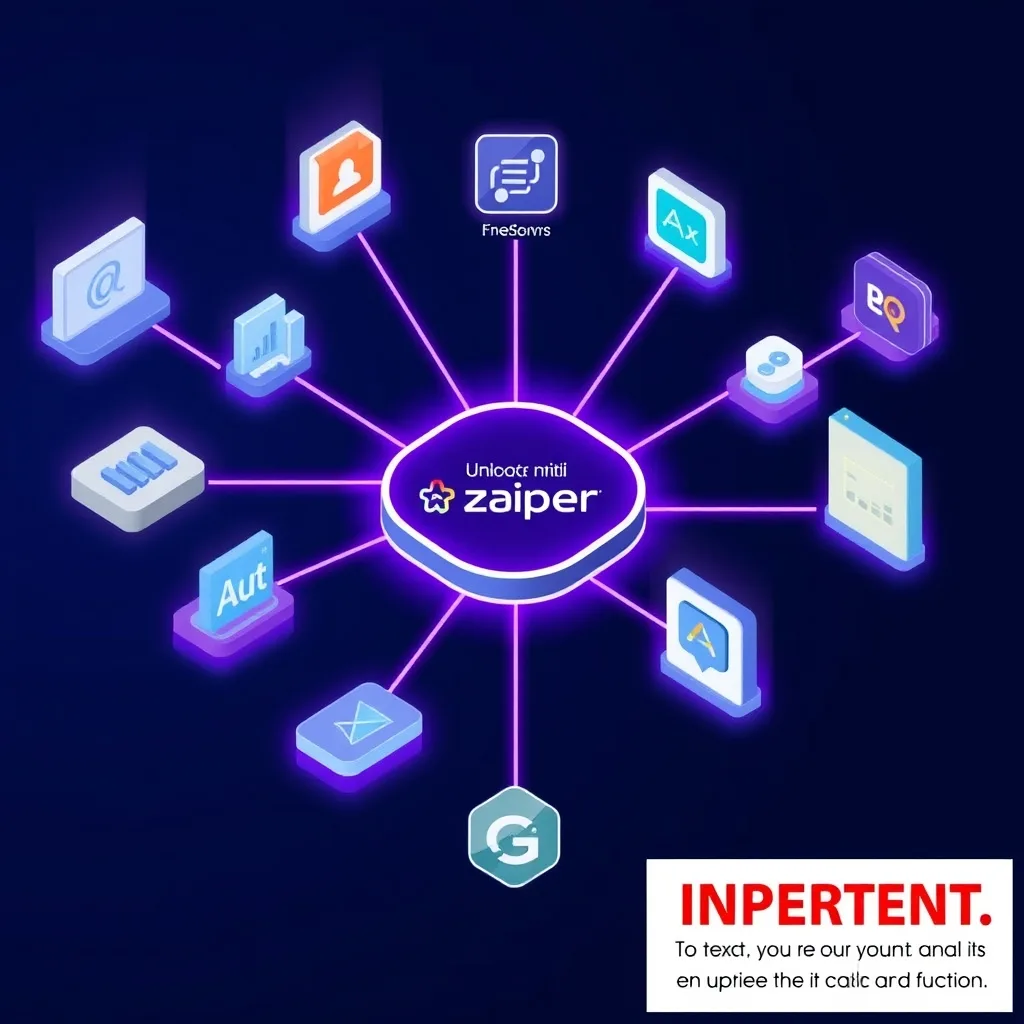
Small businesses often use a diverse range of tools for different functions: a CRM for sales, an email marketing platform, a project management tool, a cloud storage solution, and communication apps like Slack or Microsoft Teams. Zapier acts as the connective tissue, allowing these disparate systems to communicate. For example, a new lead captured through a website form can automatically be added to your CRM, trigger a welcome email sequence, and create a follow-up task for your sales team in Asana or Trello. This seamless flow of information drastically reduces manual data entry and ensures no opportunity falls through the cracks. This is a core benefit of zapier for small business automation.
Automating Marketing and Sales Processes
The marketing and sales funnel is ripe for automation. Imagine automatically adding new webinar registrants to your Mailchimp or ConvertKit list, or creating a new customer record in your accounting software upon a successful Stripe payment. Zapier can handle lead routing, assigning new leads to specific sales reps based on region or product interest, and even sending follow-up reminders. For social media, you can automate posting updates across platforms or get notified when specific keywords are mentioned. Leveraging zapier for small business automation in these areas frees up your sales and marketing teams to focus on high-value activities like lead nurturing and strategic campaign development.
Enhancing Customer Support and Communication
Customer satisfaction is paramount. Zapier can help improve response times and consistency. For instance, new support tickets submitted via email can automatically create tasks in your help desk software (like Zendesk or Freshdesk) and alert the relevant team member via Slack. You can also automate sending follow-up surveys after a support interaction or even add customer feedback from social media mentions directly into a shared document for review. Integrating your communication tools ensures that important messages are seen and acted upon promptly, leading to happier customers and a more efficient support operation.
Managing Projects and Internal Workflows
Internal operations can also see significant improvements. When a new task is completed in your project management tool, Zapier can automatically update a progress report in a Google Sheet or trigger a notification to the next person in the workflow. For team collaboration, new files added to Dropbox or Google Drive can automatically be announced in a designated Slack channel, or meeting notes can be transcribed and saved. This fosters better team alignment and ensures that internal processes run smoothly, reducing bottlenecks and enhancing overall productivity. This is a prime example of how zapier for small business automation benefits internal operations.
What Are the Best Zapier Uses for Small Businesses?

Lead Generation and Management
Capturing and nurturing leads is a critical function for most small businesses. Zapier excels here by connecting your website forms (Typeform, WPForms, etc.) or landing pages directly to your CRM (like HubSpot or Salesforce Essentials) and email marketing tools. New leads can be automatically added, tagged, and assigned, initiating personalized follow-up sequences. You can even use Zapier to get instant notifications on your phone or desktop for high-priority leads, ensuring a rapid response.
E-commerce Operations
For online stores, Zapier can automate a multitude of tasks. When a new order comes in through Shopify or WooCommerce, Zapier can add the customer details to a spreadsheet for order tracking, send a notification to your fulfillment team, and add the customer to your email marketing list for future promotions. It can also help manage inventory updates or trigger shipping notifications. The ability to connect your e-commerce platform with your other business tools is a significant advantage.
Content Creation and Social Media Management
Creating and distributing content is time-consuming. Zapier can help by automating aspects of this process. For example, you can automatically share new blog posts to your social media channels or save interesting articles you find online directly to a research folder. It can also help track mentions of your brand across the web and notify you, or automatically add form submissions from potential guest bloggers into a content calendar.
Onboarding New Clients and Employees
The initial stages of working with a new client or employee are crucial. Zapier can automate parts of the onboarding process. For clients, this might mean automatically sending welcome packets, creating project folders, and scheduling introductory calls after a contract is signed. For new employees, it could involve automatically creating their accounts in various systems, adding them to relevant communication channels, and assigning initial training tasks. This ensures a smooth and consistent experience for everyone involved.
Data Management and Reporting
Keeping data clean and accessible is vital. Zapier can automate the consolidation of data from various sources into a central location, like a Google Sheet or a database. For example, you can automatically log expenses from receipt scanning apps, track website form submissions, or compile customer feedback. This makes reporting and analysis much easier, providing valuable insights into business performance. The power of zapier for small business automation extends to making data management far more efficient.
Why Should SMBs Invest in Workflow Automation Tools like Zapier?
Increased Productivity and Efficiency
The most obvious benefit is the dramatic increase in productivity. By eliminating repetitive, manual tasks, your team can reclaim valuable time. This allows them to focus on more complex, strategic, and revenue-generating activities. Small business process automation is the key to doing more with less.
Reduced Errors and Improved Accuracy
Manual data entry is prone to human error. Simple typos or transposition errors can lead to significant problems down the line, from incorrect billing to misinformed marketing campaigns. Automating these processes with Zapier significantly reduces the risk of errors, ensuring greater accuracy and reliability in your operations.
Cost Savings
While there is a cost associated with Zapier’s premium plans, the time saved and errors avoided often translate into substantial cost savings. Reduced manual labor, fewer costly mistakes, and the ability to handle more volume without hiring additional staff contribute to a significant return on investment. For many, the question isn’t whether they can afford zapier for small business automation, but whether they can afford *not* to.
Scalability and Growth Support
As your business grows, so does the volume of tasks and data. Manual processes become unmanageable at scale. Zapier provides a scalable solution that can grow with your business. Automating core processes ensures that you can handle increased demand without a proportional increase in manual effort or headcount, paving the way for sustainable growth. Zapier workflows for growing companies are essential.
Enhanced Employee Satisfaction
No one enjoys spending their day on tedious, repetitive tasks. Automating these mundane activities frees up your employees to engage in more meaningful and challenging work. This can lead to increased job satisfaction, reduced burnout, and a more engaged and motivated workforce.
Is Zapier the Right Choice for Your Startup?
Ease of Use vs. Complexity
Zapier’s user-friendly interface makes it accessible to individuals with little to no coding experience. This is a significant advantage for startups and small businesses that may not have dedicated IT departments. While more complex automation platforms exist, like Make.com, Zapier often provides the quickest path to value for common business automations.
Integration Capabilities
With thousands of supported apps, Zapier’s integration capabilities are vast. It connects with virtually every popular SaaS tool used by small businesses, from communication and project management to marketing and finance. If you use two apps, chances are Zapier can connect them. This extensive support is a key reason for its popularity among zapier integrations for startups.
Cost-Effectiveness
Zapier offers a free tier for basic usage, making it easy to get started. Paid plans are tiered based on the number of tasks and the complexity of your Zaps. This model is highly cost-effective for small businesses, allowing them to scale their automation as their needs and budget grow. You can start small and expand your usage of zapier for small business automation as you see the ROI.
When Should You Consider Zapier Alternatives?
While Zapier is incredibly versatile, there might be situations where alternatives are more suitable. If your automation needs are extremely complex, involving intricate logic, large data volumes, or custom API integrations, a more powerful platform like Make.com or even n8n (which can be self-hosted) might offer greater flexibility and potentially lower long-term costs for high-volume usage. However, for the vast majority of common small business automation tasks, Zapier remains a top contender.
Frequently Asked Questions
What is the main benefit of using Zapier for a small business?
The primary benefit is significant time savings and increased efficiency by automating repetitive, manual tasks, allowing your team to focus on core business objectives and growth.
Do I need to know how to code to use Zapier?
No, Zapier is designed to be a no-code automation tool. Its visual interface allows you to create automated workflows (Zaps) using triggers and actions without writing any code.
How much does Zapier cost for small businesses?
Zapier offers a free plan with limited tasks per month. Paid plans start at affordable rates, scaling based on the number of tasks and features required. This makes it accessible for businesses of all sizes.
Can Zapier connect any two apps?
Zapier supports thousands of apps, covering most popular business software. While it can connect a vast number of applications, it’s always best to check Zapier’s app directory to confirm if your specific apps are supported.
How can Zapier help reduce manual work in a small business?
Zapier automates tasks like data entry, file syncing, notifications, and record creation between different applications. By replacing manual steps with automated workflows, it drastically reduces the time spent on mundane activities and minimizes the potential for human error.
Ready to stop drowning in manual tasks and start unlocking your business’s true potential? Explore the power of zapier for small business automation today. Sign up for a free Zapier account and start building your first automated workflow to streamline operations and reclaim your valuable time. For a deeper dive into optimizing your operations, consider the Business Process Automation Guide, a comprehensive resource for mapping and automating your essential workflows.
Disclosure: This post may contain affiliate links. If you buy through these links, we may earn a commission at no additional cost to you.