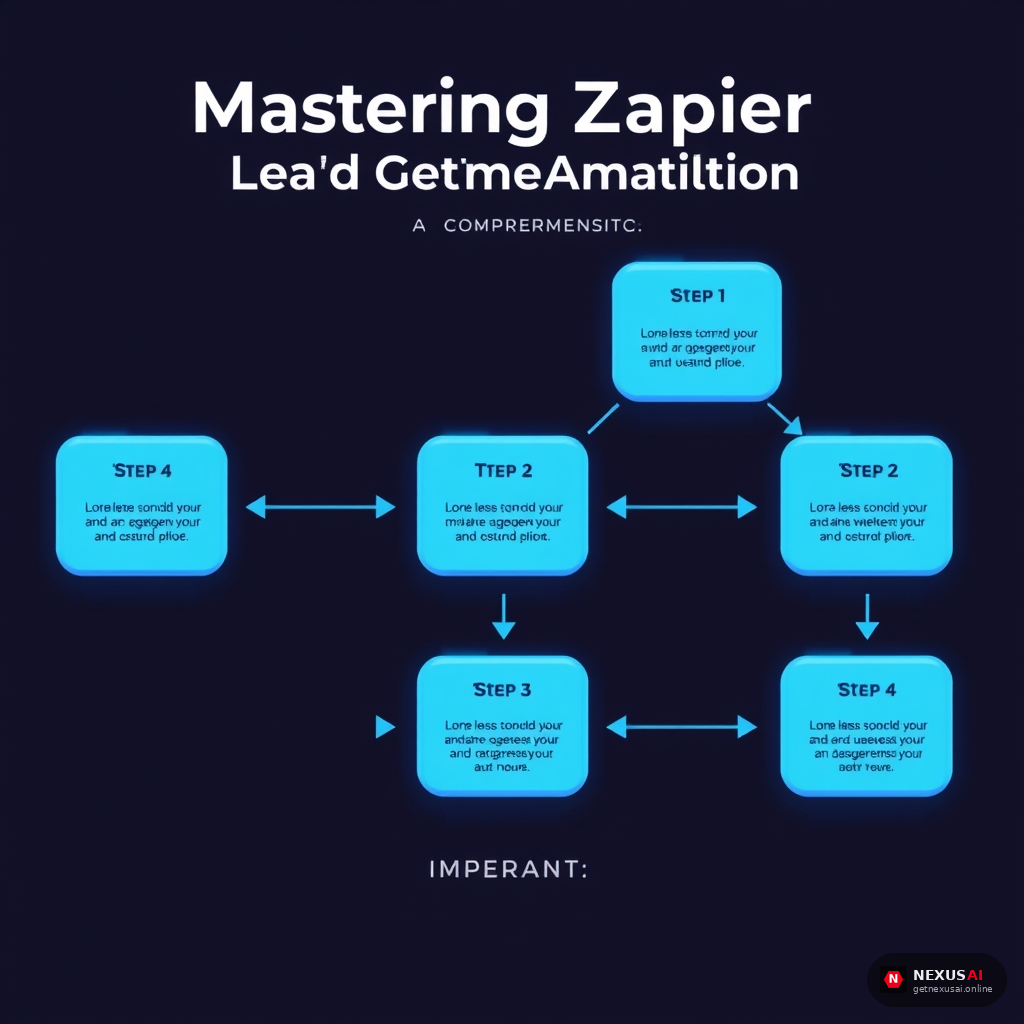
Unlock Explosive Growth: Your Zapier Lead Generation Automation Tutorial Starts Here
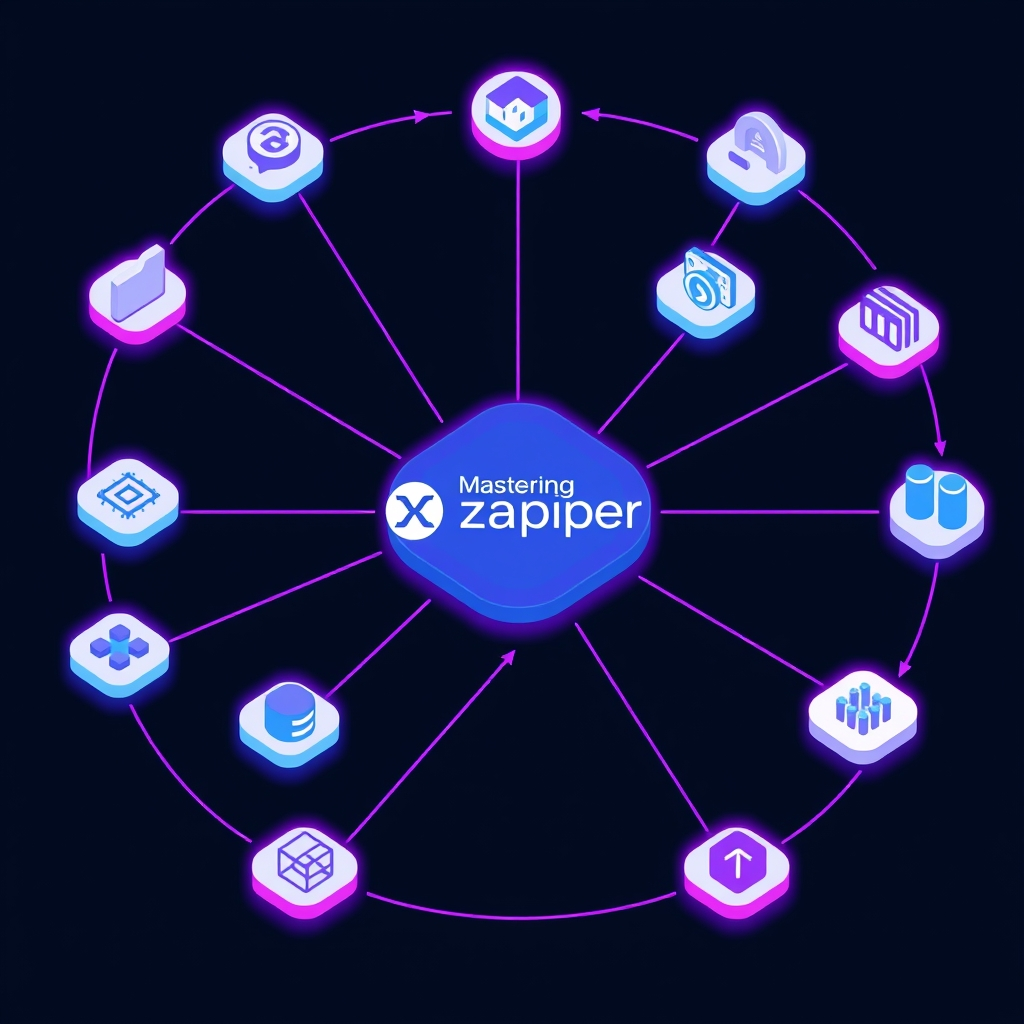
Are you tired of manual data entry and missed opportunities slipping through the cracks? Imagine a world where new leads are instantly captured, qualified, and routed to your sales team, all without you lifting a finger. This isn’t a far-off dream; it’s the power of automation. In this definitive zapier lead generation automation tutorial, we’ll show you exactly how to harness the capabilities of Zapier to transform your online lead generation efforts, ensuring you never miss a valuable prospect again and dramatically increasing your sales pipeline. Get ready to supercharge your business growth.
Key Takeaways
- Automate lead generation with Zapier to boost efficiency and sales pipeline
- Streamline lead capture and qualification with predefined triggers and rules
- Set up Zapier to connect apps and create seamless workflows for lead gen
- Pre-qualify leads based on specific criteria to focus on promising prospects
- Use automation to provide prompt attention and enhance customer experience
What is Lead Generation Automation?
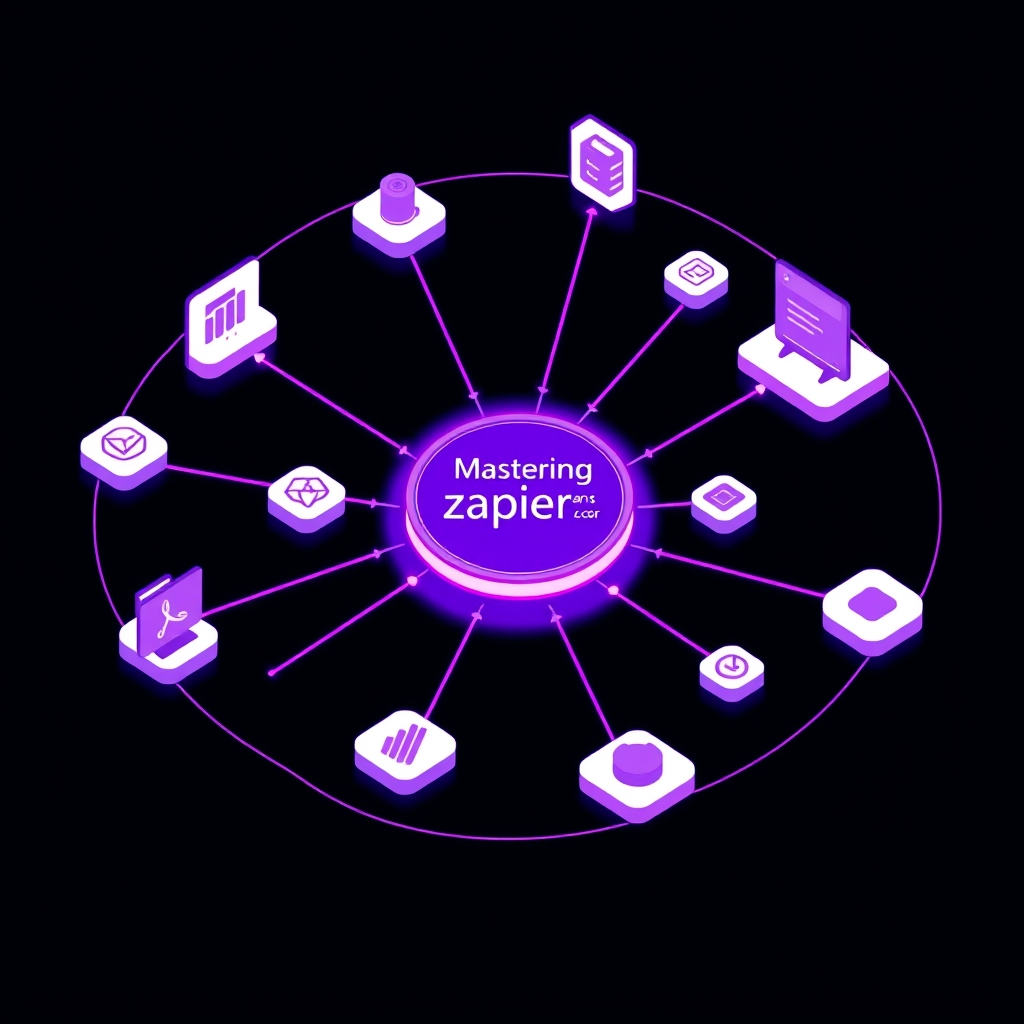
Lead generation automation is the process of using technology to streamline and optimize the steps involved in attracting, engaging, and capturing potential customers (leads). Instead of manually performing repetitive tasks like copying contact information from a web form to a spreadsheet or sending follow-up emails, automation software handles these actions automatically based on predefined triggers and rules. This frees up valuable time for your sales and marketing teams to focus on higher-value activities like building relationships and closing deals. Effective lead generation tools are crucial for any modern business looking to scale efficiently.
The Benefits of Automating Lead Gen
The advantages of automating your lead generation are numerous and impactful. Firstly, it significantly improves efficiency by eliminating time-consuming manual processes. This means your team can handle a higher volume of leads without needing to proportionally increase headcount. Secondly, automation enhances lead quality. By setting up workflows, you can pre-qualify leads based on specific criteria, ensuring your sales team focuses their efforts on the most promising prospects. Thirdly, it leads to faster response times. Automated follow-ups and notifications mean potential customers receive prompt attention, which is critical in today’s competitive market. This leads to a better customer experience and higher conversion rates. Finally, automation provides valuable data and insights into your lead generation performance, allowing for continuous optimization of your marketing automation strategy.
How Does Lead Generation Software Help?
Lead generation software, including powerful platforms like Zapier, acts as the engine for your automation efforts. These tools connect different applications and services you already use, creating seamless workflows. For instance, when someone fills out a form on your website, lead generation software can automatically add their details to your CRM, send you a notification, and even add them to an email marketing sequence. This interconnectedness is the core of effective workflow automation tools. It ensures that no lead is lost and that every interaction is timely and relevant. By leveraging these tools, businesses can build a robust and efficient sales funnel automation system.
Why is Automation Crucial for Modern Businesses?
In today’s fast-paced digital landscape, businesses that fail to embrace automation risk falling behind. Manual processes are slow, error-prone, and simply cannot keep pace with the volume of leads generated online. Automation marketing strategy is no longer a luxury; it’s a necessity for survival and growth. It allows businesses to compete effectively by delivering personalized experiences at scale, improving operational efficiency, and gaining a deeper understanding of their customer journey. Implementing a solid zapier lead generation automation tutorial strategy ensures that your business remains agile and responsive to market demands.
How to Set Up Zapier for Lead Generation Automation

This section of our zapier lead generation automation tutorial will walk you through the practical steps of building your first automated lead generation workflow. We’ll focus on a common scenario: capturing leads from a website form and integrating them with a CRM.
Step 1: Define Your Goal and Choose Your Tools
Before diving into Zapier, clearly define what you want to achieve. For this tutorial, our goal is to automatically add new leads from a website form submission into a CRM system like HubSpot or Salesforce. You’ll need to identify the trigger application (where the lead comes from, e.g., WordPress form, Google Form, Typeform) and the action application (where the lead data needs to go, e.g., HubSpot, Salesforce, Google Sheets). Ensure both your chosen trigger and action apps are supported by Zapier.
Step 2: Set Up Your Trigger
In Zapier, a ‘Zap’ is an automated workflow. The first step is to set up the trigger for your Zap. Log in to your Zapier account and click ‘Create Zap’. Select your trigger app (e.g., WordPress). Choose the trigger event, such as ‘New Form Submission’. You’ll then need to connect your account for that app and select the specific form you want to monitor. Zapier will then pull in sample data from a recent submission to ensure the connection is working correctly. This is a key part of any zapier workflow tutorial.
Step 3: Set Up Your Action
Next, you’ll configure the action that Zapier should take when the trigger event occurs. Click the ‘+’ sign to add an action step. Select your action app (e.g., HubSpot). Choose the action event, like ‘Create Contact’. Connect your HubSpot account. Now, you’ll map the data fields from your form submission (the trigger data) to the corresponding fields in your CRM (the action data). For example, map the ‘Email’ field from your form to the ‘Email’ field in HubSpot, ‘Name’ to ‘Name’, and so on. This step ensures your lead data is organized correctly within your chosen system. Careful mapping is essential for effective lead capture automation.
Step 4: Test Your Zap
Before turning your Zap on, Zapier allows you to test it thoroughly. It will attempt to perform the action using the sample data from the trigger step. Review the results to ensure the contact was created correctly in your CRM with all the mapped information. If there are any errors, Zapier provides troubleshooting tips. This testing phase is critical in any zapier lead generation automation tutorial to prevent errors in a live environment.
Step 5: Turn On Your Zap and Monitor
Once you’re satisfied with the test, turn on your Zap! Now, every time someone submits the designated form on your website, their information will be automatically added to your CRM. It’s recommended to monitor your Zaps periodically, especially when you first set them up, to ensure they are running smoothly and to catch any potential issues. You can also build more complex workflows, such as adding leads to a specific email list or assigning them to a sales representative based on certain criteria. This is the core of advanced automation marketing strategy.
Advanced Zapier Lead Generation Automation Techniques
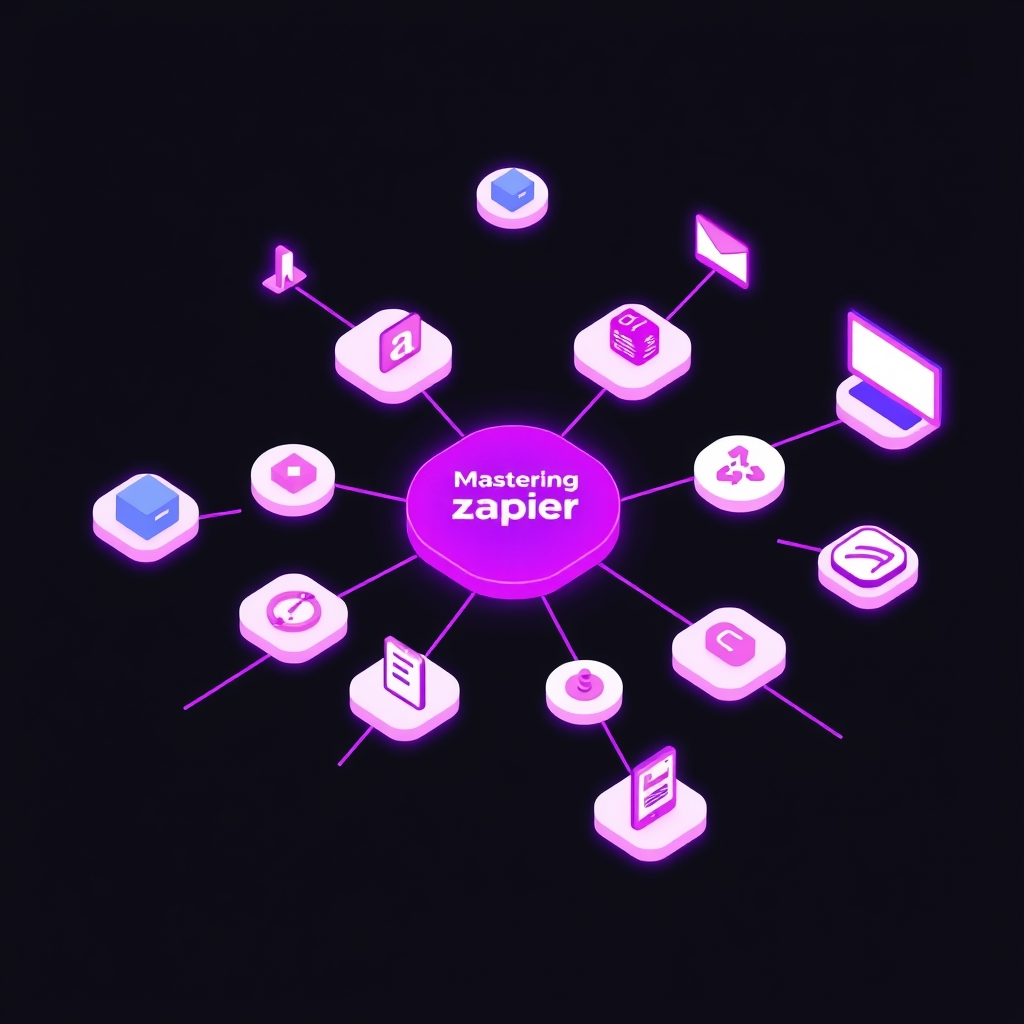
Once you’ve mastered the basics of lead capture automation, you can explore more sophisticated workflows to further enhance your sales funnel automation.
Automating Lead Qualification
You can use Zapier to automatically qualify leads. For example, you could set up a condition: if a lead comes from a specific industry or company size (data you collect in your form), then add them to a ‘Hot Leads’ list in your CRM or send a high-priority notification to your sales team. Conversely, if the lead doesn’t meet your criteria, they could be added to a different list for less urgent follow-up or nurture campaigns. This ensures your sales team’s focus is always on the highest potential opportunities.
Integrating with Email Marketing Platforms
Connect your lead generation forms directly to your email marketing software (like Mailchimp or ConvertKit). When a new lead is captured, Zapier can automatically add them to a specific email list and trigger a welcome email or a lead nurturing workflow. This is a vital part of effective lead nurturing workflow and ensures consistent communication with your prospects from the very first interaction.
Using Zapier for Social Media Lead Generation
Generate leads directly from social media platforms. For example, you can create a Zap that triggers when someone messages your business on Facebook Messenger, automatically adding their details to your CRM. Or, use Zaps to monitor specific hashtags or mentions related to your industry and alert your team to potential leads.
Connecting Multiple Lead Sources
Don’t limit yourself to website forms. Use Zapier to integrate leads from various sources: webinar registrations, contact forms on different landing pages, PDF downloads, and even data collected during online events. A comprehensive zapier integration guide would cover these numerous possibilities.
Choosing the Right Zapier Alternatives
While Zapier is a market leader, other powerful workflow automation tools exist. If you’re looking for a visual builder with different pricing or specific features, platforms like Make.com Automation Platform offer robust capabilities. Make.com, formerly Integromat, provides a highly visual interface for building complex workflows and often presents a strong zapier alternative for businesses with intricate automation needs. Evaluating different lead generation software options ensures you find the best fit for your unique requirements and budget.
Common Pitfalls in Lead Generation Automation
Even with a great zapier lead generation automation tutorial, mistakes can happen. Be aware of these common pitfalls:
Ignoring Data Hygiene
Ensure your automation processes don’t lead to duplicate entries or messy data in your CRM. Regularly review and clean your contact database.
Over-Automating Communication
While automation is powerful, it shouldn’t replace genuine human interaction entirely. Use automation for initial contact and nurturing, but ensure personal follow-ups occur for high-value leads.
Not Testing Thoroughly
Skipping the testing phase can lead to significant errors, lost leads, or incorrect data entry. Always test your Zaps before activating them.
Failing to Monitor and Optimize
Automation isn’t ‘set it and forget it.’ Regularly monitor your Zaps’ performance, analyze the data, and make adjustments to optimize your workflows for better results.
Frequently Asked Questions
What is the primary benefit of using Zapier for lead generation?
The primary benefit is the significant increase in efficiency and speed. Zapier automates the manual transfer of lead data between applications, ensuring leads are captured, organized, and actioned almost instantly, reducing the risk of human error and missed opportunities.
Can I integrate Zapier with any lead generation tool?
Zapier integrates with thousands of applications. While it supports most popular lead generation tools and CRMs, it’s essential to check Zapier’s app directory to confirm compatibility with your specific software.
How much does Zapier cost for lead generation automation?
Zapier offers several pricing tiers, including a free plan with limited Zaps and tasks. Paid plans offer more Zaps, tasks, and premium features, scaling with your business needs. The cost depends on the volume of leads you process and the complexity of your workflows.
Is a zapier lead generation automation tutorial sufficient to build complex workflows?
A good zapier lead generation automation tutorial provides a strong foundation. For highly complex workflows involving multiple steps, conditional logic, and advanced integrations, you may need to consult Zapier’s extensive documentation or seek expert help.
What are the key components of a successful Zapier automation for sales?
Key components include a clear trigger (e.g., a form submission), well-defined actions (e.g., create contact in CRM, send notification), accurate data mapping between fields, proper testing, and ongoing monitoring and optimization of the workflow.
Ready to transform your lead generation process? Start building your first automated workflow today! Explore the power of Zapier Workflow Automation and see how seamless lead management can be. For a deeper dive into optimizing business processes, consider our Business Process Automation Guide.
Disclosure: This post may contain affiliate links. If you buy through these links, we may earn a commission at no additional cost to you.